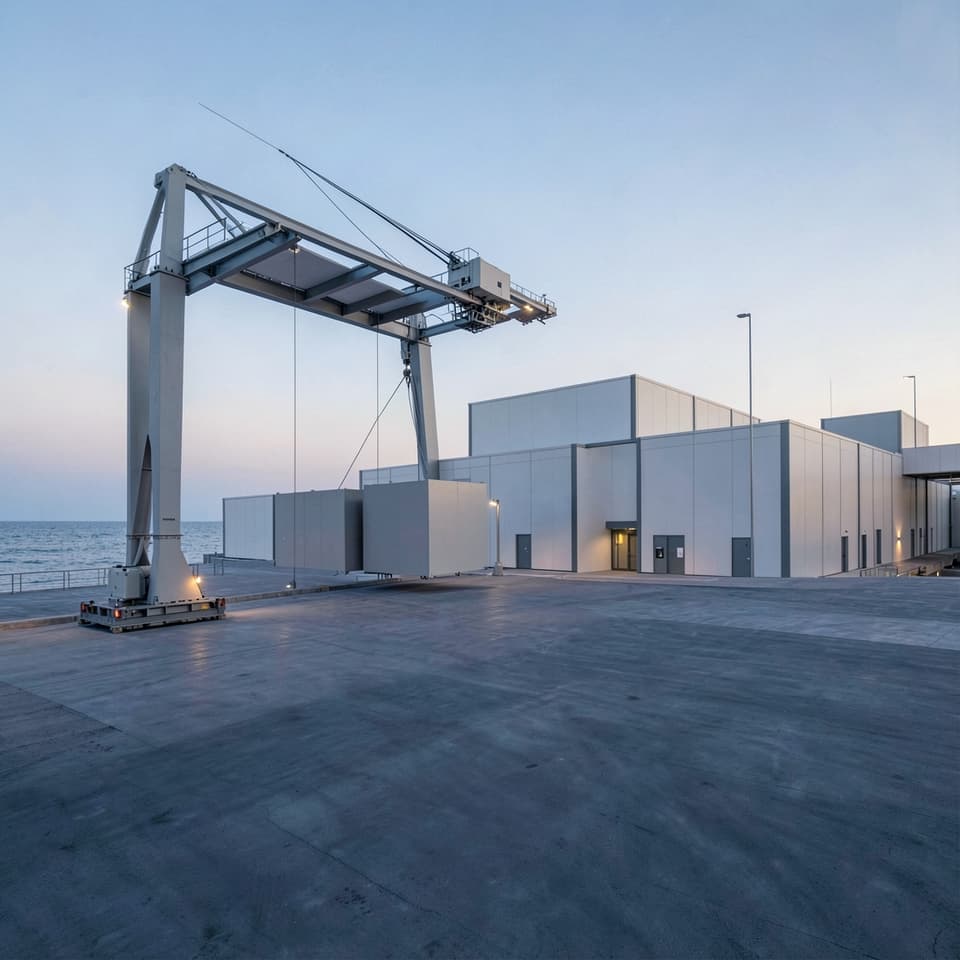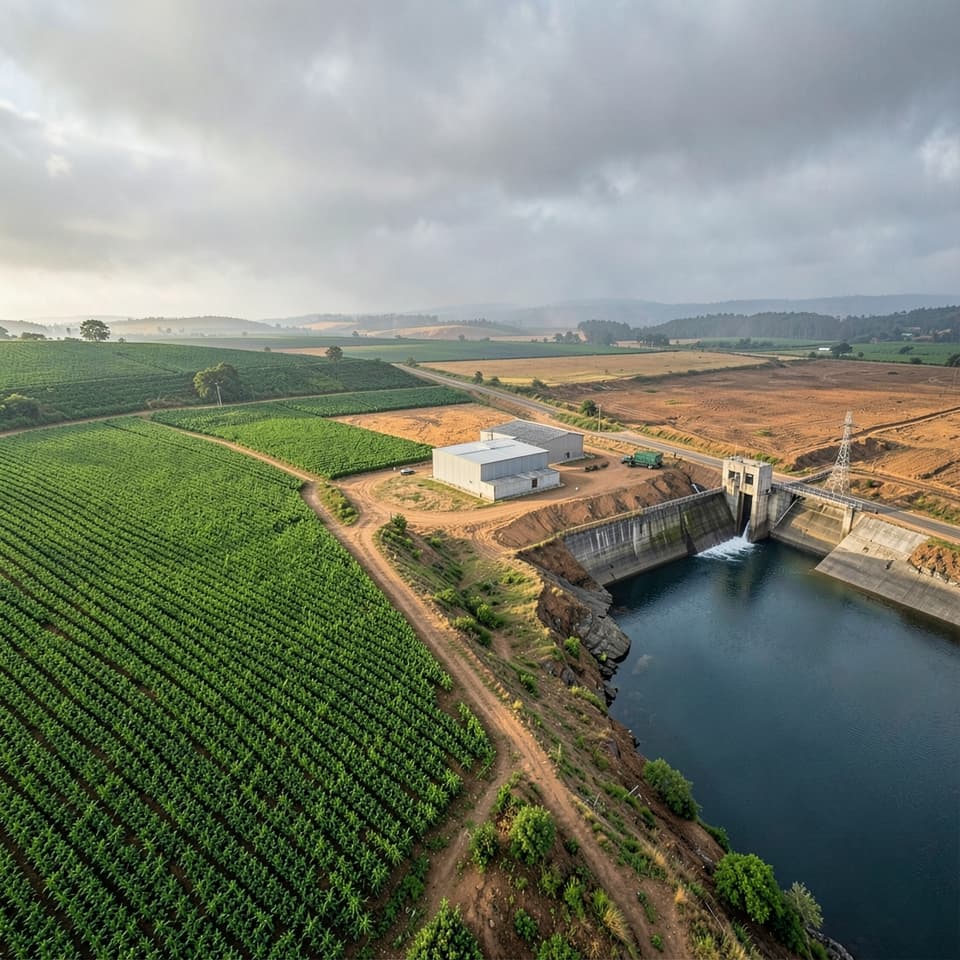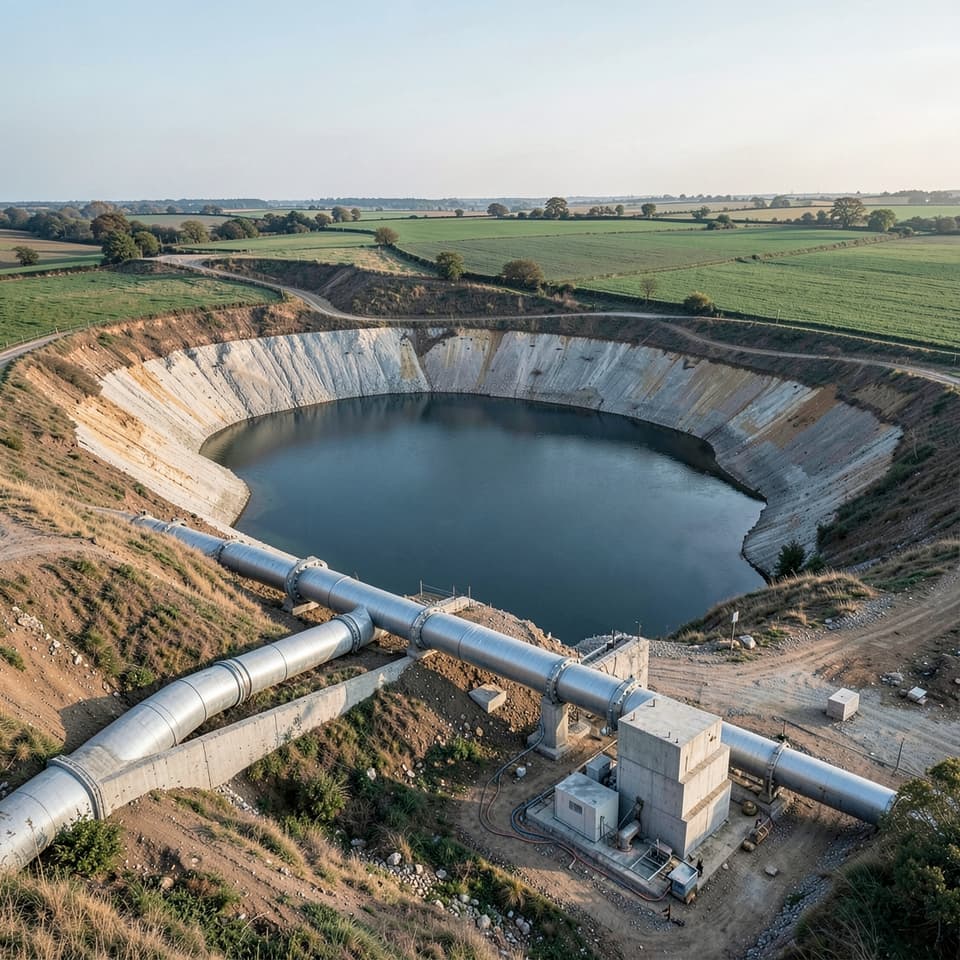
Drought returned before new water capacity could arrive
England's four-month recovery gave way to drought within one hot summer. The gap lies between fast demand shocks and slow infrastructure delivery.
Markets. Money. Perspective.
K4invest / Latest news
Expert insights to improve your financial decisions
England's four-month recovery gave way to drought within one hot summer. The gap lies between fast demand shocks and slow infrastructure delivery.
Bank Rate stayed at 3.75%, but the MPC says higher market financing costs are already adding restraint. That makes the hold conditional on the yield curve.
U.S. GDP slowed to 1.5% in Q2, but private domestic demand accelerated. Imports, AI investment, inflation and a thin saving buffer explain the tension.
The Fed held rates at 3.5%-3.75%, but three votes for a hike show that energy, tariffs and inflation propagation now matter more than the headline decision.
July's 0.9% shop-price inflation is real relief for goods buyers, but promotions, retailer absorption and firmer services make persistence the decisive test.
The House bill replaces delayed disclosure with a purchase ban and advance sale notices, while leaving existing holdings—and policy-linked exposure—intact.
A strong El Niño is not a uniform inflation trade: crop damage, currencies, food weights, reservoirs, and policy buffers determine where it becomes persistent.
Section 301 gives the latest U.S. tariffs more procedural runway, but company exposure will be decided by product exemptions, pass-through, sourcing, and retaliation.
A December BOJ hike is the consensus, but the real test spans yen-driven inflation, domestic demand and government-bond stability.
China’s economy grew 4.3% in Q2, with strong trade and technology exports masking weaker domestic consumption, property investment and private-sector confidence.
Huw Pill's BBC comments revive the risk that UK rates may need to rise despite weak growth, with inflation still above the Bank of England target.
Renewed U.S.-Iran fighting has revived a familiar market risk: energy shocks can tighten financial conditions even when oil supply is trying to normalize.