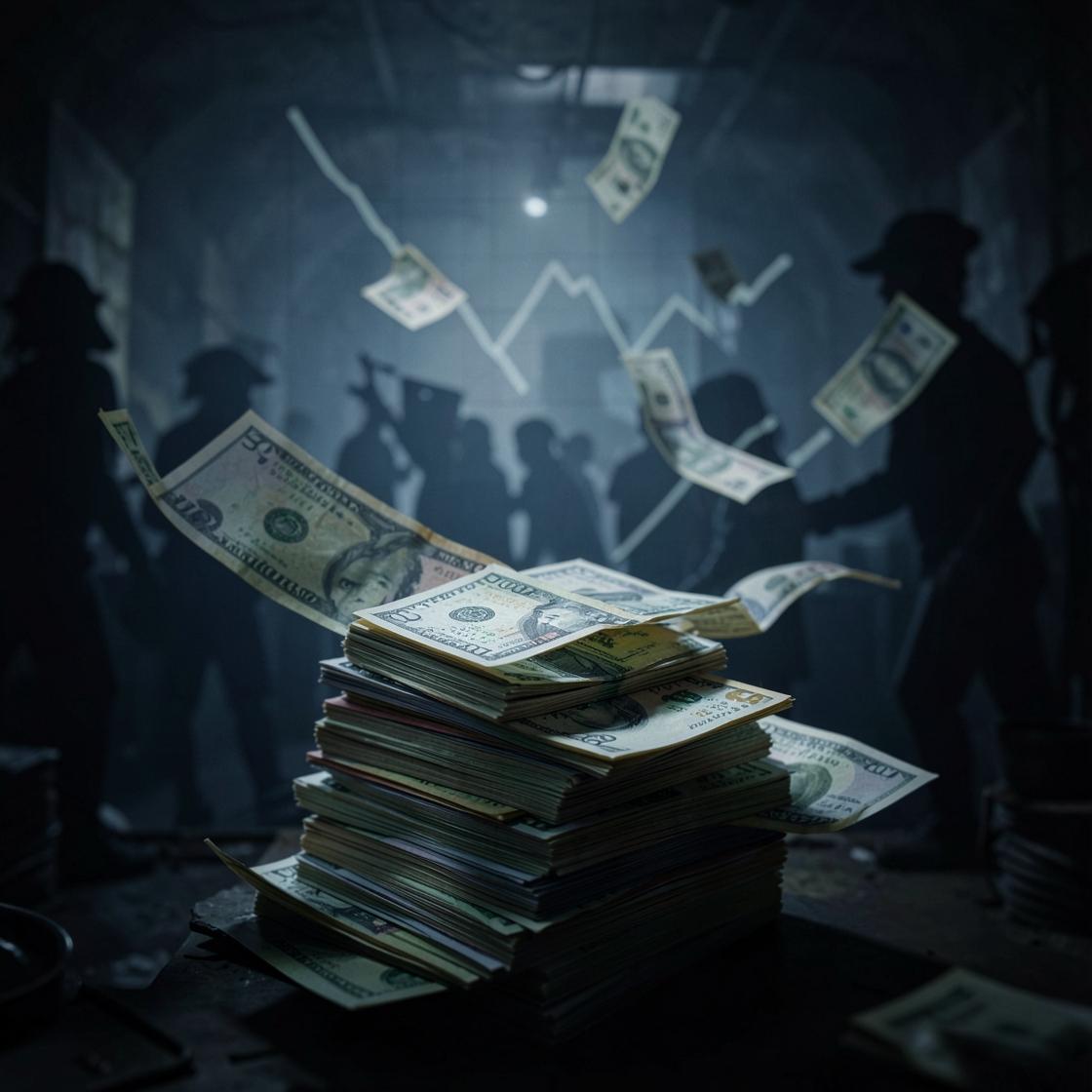
Russian Shift to Cash Signals Strain on Wartime Economy
Source: BBC News, 18 July 2026
Shadow‑economy crackdown
The Kremlin has elevated the fight against the shadow economy to a central policy goal. In anticipation of a value‑added tax (VAT) increase, President Vladimir Putin warned that the new tax rules must not force firms into informal activity and called for a “radical …” approach to enforcement.
“The new rules must not push firms into the shadows,” Putin said before the VAT rise took effect.
The government’s stance reflects growing concern that businesses, already under pressure from four years of conflict with Ukraine, may retreat further into unregistered operations.
Rising cash usage
Parallel to the tax‑policy push, reports indicate a noticeable surge in cash transactions among Russian consumers and enterprises. Mobile internet shutdowns—implemented in several regions—have disrupted digital payment channels, prompting many to revert to physical currency.
Cash preference: With online banking and e‑payments constrained, merchants are increasingly accepting cash to maintain sales.
Tax avoidance: The shift also aids firms seeking to evade the heightened VAT and other fiscal measures.
These trends underscore a broader contraction in the formal economy, as the war’s prolonged impact erodes confidence in electronic financial infrastructure.
Market implications
Currency volatility: Higher cash circulation can pressure the ruble’s liquidity, potentially widening the gap between the official exchange rate and black‑market rates.
Inflation dynamics: A cash‑heavy economy may experience localized price distortions, especially for goods typically purchased digitally.
Corporate earnings: Companies reliant on digital sales channels could see reduced revenues, while cash‑dependent retailers might temporarily benefit.
Analysts caution that the combined effect of stricter tax enforcement and restricted internet access could slow economic growth further, raising uncertainty for both domestic and foreign investors.
Outlook
If the Kremlin’s crackdown intensifies without mitigating measures—such as easing internet restrictions or offering tax relief—Russia’s informal sector may expand, deepening the divide between official statistics and on‑the‑ground activity. Investors monitoring the ruble, consumer‑price trends, and sector‑specific earnings should consider these dynamics when assessing risk in the Russian market.
The information above is drawn directly from the BBC News article dated 18 July 2026.