Overview
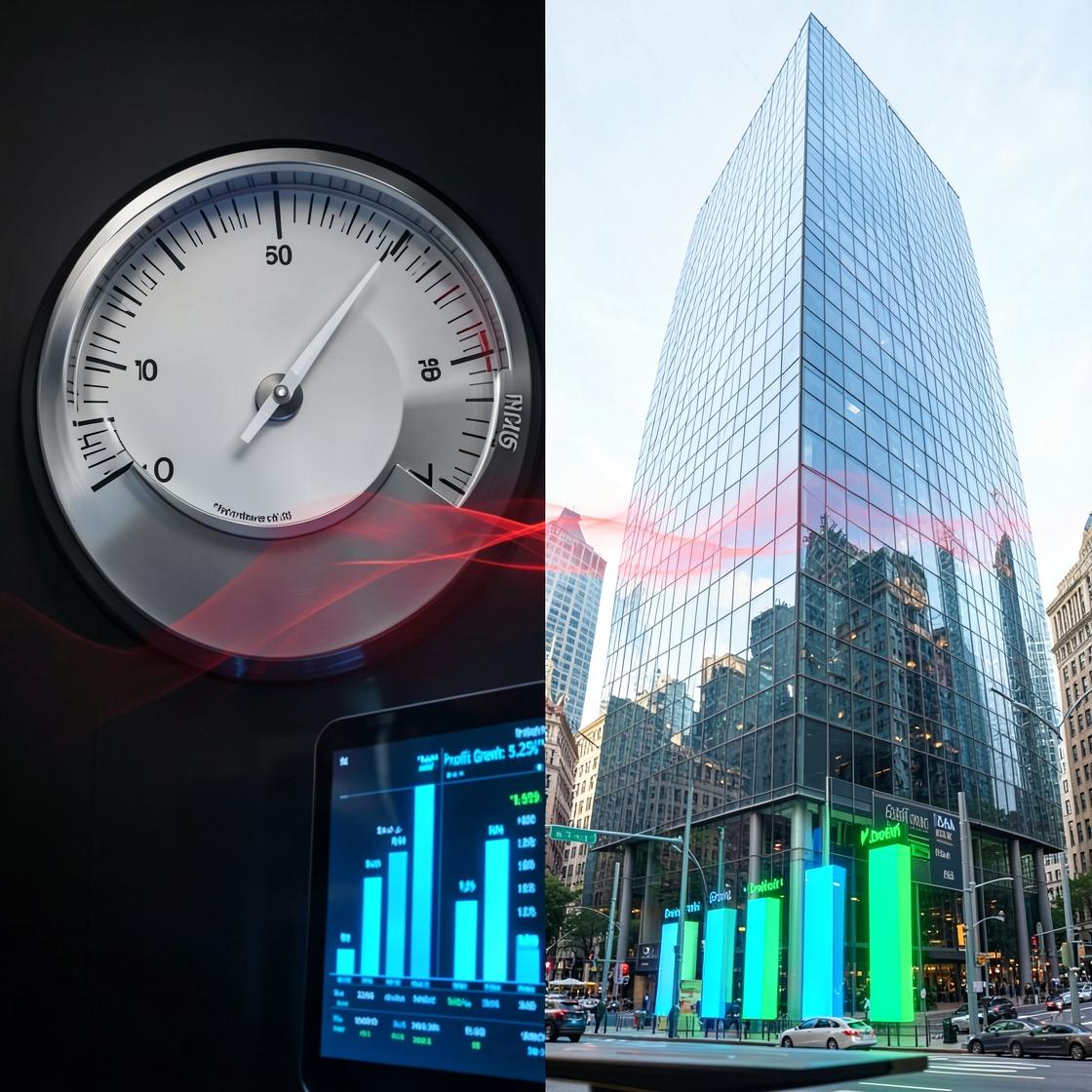
America’s eight globally systemically important banks (G‑SIBs) are poised to post very strong earnings in the upcoming second‑quarter earnings season. The outlook is anchored by two main drivers identified by Forbes:
“Robust Wall Street dealmaking and a ‘higher‑for‑longer’ interest‑rate environment”
These factors are expected to buoy profitability across the sector.
Earnings Outlook
Deal activity: Investment‑banking fees from merger‑and‑acquisition (M&A) and underwriting work remain elevated, supporting higher net interest income.
Interest‑rate backdrop: The Federal Reserve’s sustained higher‑rate stance continues to widen banks’ net interest margins, translating into stronger earnings projections for the G‑SIBs.
Credit‑Risk Considerations
While higher rates enhance earnings, the same environment can increase credit risk by raising borrowing costs for corporate and consumer borrowers. The “Warsh Effect,” as described in the article title, captures this dual impact: profit uplift juxtaposed with the potential for deteriorating loan quality.
“High rates lift bank profits but increase credit risks.”
Analysts warn that rising rates may lead to higher loan delinquencies, especially in sectors sensitive to financing costs, thereby offsetting some of the earnings upside.
Analyst Viewpoint
Analysis – The earnings momentum reflects favorable fee‑based activity and expanded net interest spreads, yet investors should monitor credit‑risk metrics such as non‑performing loan ratios and loan‑loss provisions. A sustained “higher‑for‑longer” policy could pressure borrowers, prompting banks to tighten underwriting standards or increase reserves, which may temper profit growth later in the year.
Source: Forbes, Warsh Effect: High Rates Lift Bank Profits But Increase Credit Risks, July 7 2026.