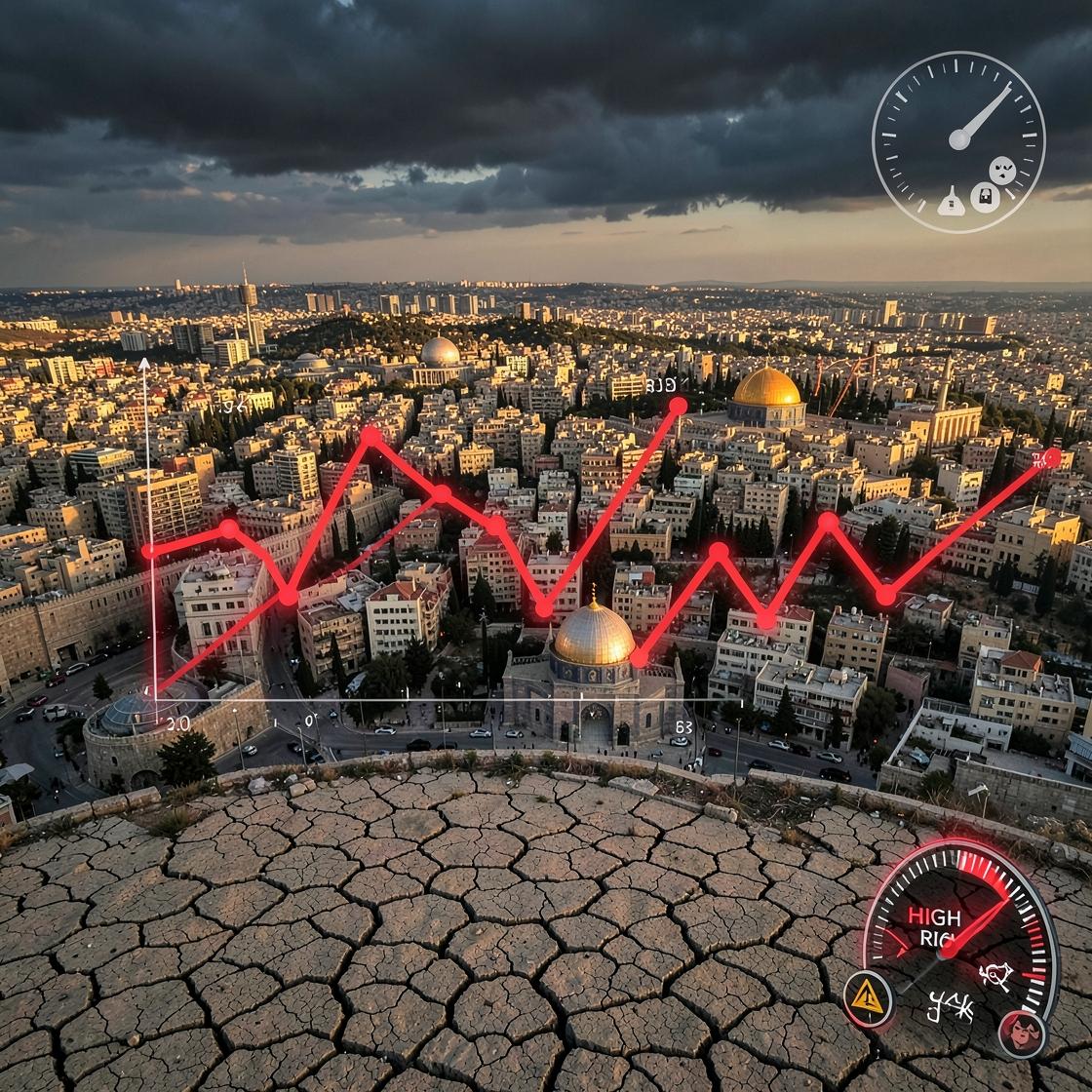
Overview
Jerusalem, holy to Jews, Christians and Muslims, remains the epicenter of the Israel‑Palestinian conflict. The eastern part of the city, captured by Israel and containing key religious sites, continues to be contested by both sides. The ongoing demolition actions remain a flashpoint in the city’s contested landscape.
Recent Demolitions
A BBC News report published on 12 June 2026 states that Palestinian homes in occupied East Jerusalem are being pulled down to make way for a park. The demolition drive has provoked Palestinian anger, echoed in the article’s headline: “They destroyed the future.” Demonstrators and community leaders have condemned the removals as an attack on their future.
“They destroyed the future,” reflecting the depth of Palestinian anger.
Investor Perspective
While the piece does not contain explicit economic data, the heightened tension arising from the demolition programme signals increased geopolitical risk in the region. Investors with exposure to Israeli or Palestinian markets—particularly in construction, real estate, tourism and infrastructure—generally monitor such developments for potential market effects:
Risk premiums: Escalating conflict can widen country‑risk spreads for equities and sovereign bonds.
Sectoral exposure: Construction projects and tourism activity may experience disruption or reduced demand amid protests.
Capital flows: Heightened instability often influences foreign direct investment decisions and may prompt portfolio reallocation.
Analysts caution that, absent concrete market figures, the primary takeaway is to watch for policy shifts and on‑the‑ground developments that could translate into price volatility. The unfolding situation will be closely monitored by investors seeking to gauge any spill‑over effects on regional equity and bond markets.
Source
BBC News, “‘They destroyed the future’: Palestinian anger at rise in Israeli demolitions in East Jerusalem,” 12 June 2026.