Historical Snapshot of Early Paper Money
Satirical Pamphlet and Visual Commentary
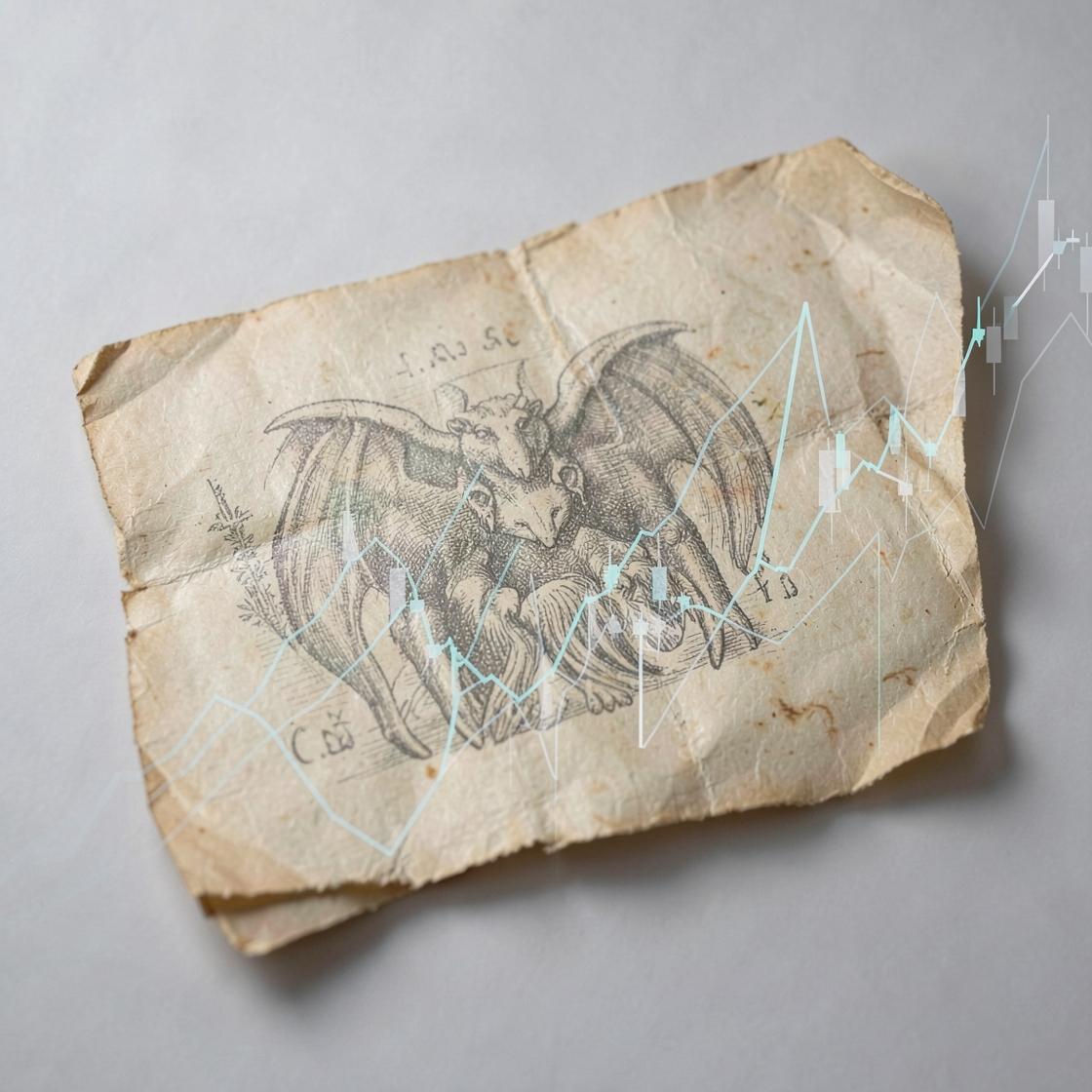
In 1820 a satirical pamphlet titled “Satans Bank Note” appeared on the streets of London. The publication was paired with a woodcut engraving showing five men being executed while the devil perched on the gallows—a stark visual metaphor for the perils surrounding early paper currency.
Rise of “Filthy Rags” and Counterfeiting
The early‑19th‑century shift from gold coins to banknotes—contemporarily dubbed “filthy rags”— quickly turned paper into a common medium of exchange. The newfound convenience was matched by a surge in forgery, prompting authorities to launch an equally sharp increase in prosecutions of counterfeiters.
“A surge in forgery followed, accompanied by a surge in harsh prosecutions.” – Historytoday.com, 20 July 2026
The pamphlet’s provocative imagery underscored societal anxieties about the reliability of paper money and the moral hazard of fraud.
Implications for Modern Investors
Analysis: The 1820 episode illustrates the recurring tension between innovation in money forms and the need for robust security measures. While today’s digital and fiat currencies benefit from sophisticated anti‑counterfeiting technology and regulatory oversight, the historical lesson remains relevant:
Regulatory vigilance is essential whenever a new payment instrument is introduced.
Investor confidence is closely tied to the perceived integrity of the monetary system.
Legal enforcement against fraud continues to shape market stability.
Understanding the origins of paper money, including the cultural backlash captured by “Satans Bank Note,” helps investors appreciate the institutional safeguards that undergird modern financial markets.
Source: Historytoday.com, “Satan’s 19th‑Century Bank Note,” published 20 July 2026.