Changing nature of warfare raises questions over UK defence funding
Source: BBC News, Defence row exposes tensions over how to keep UK safe, 12 June 2026
Overview
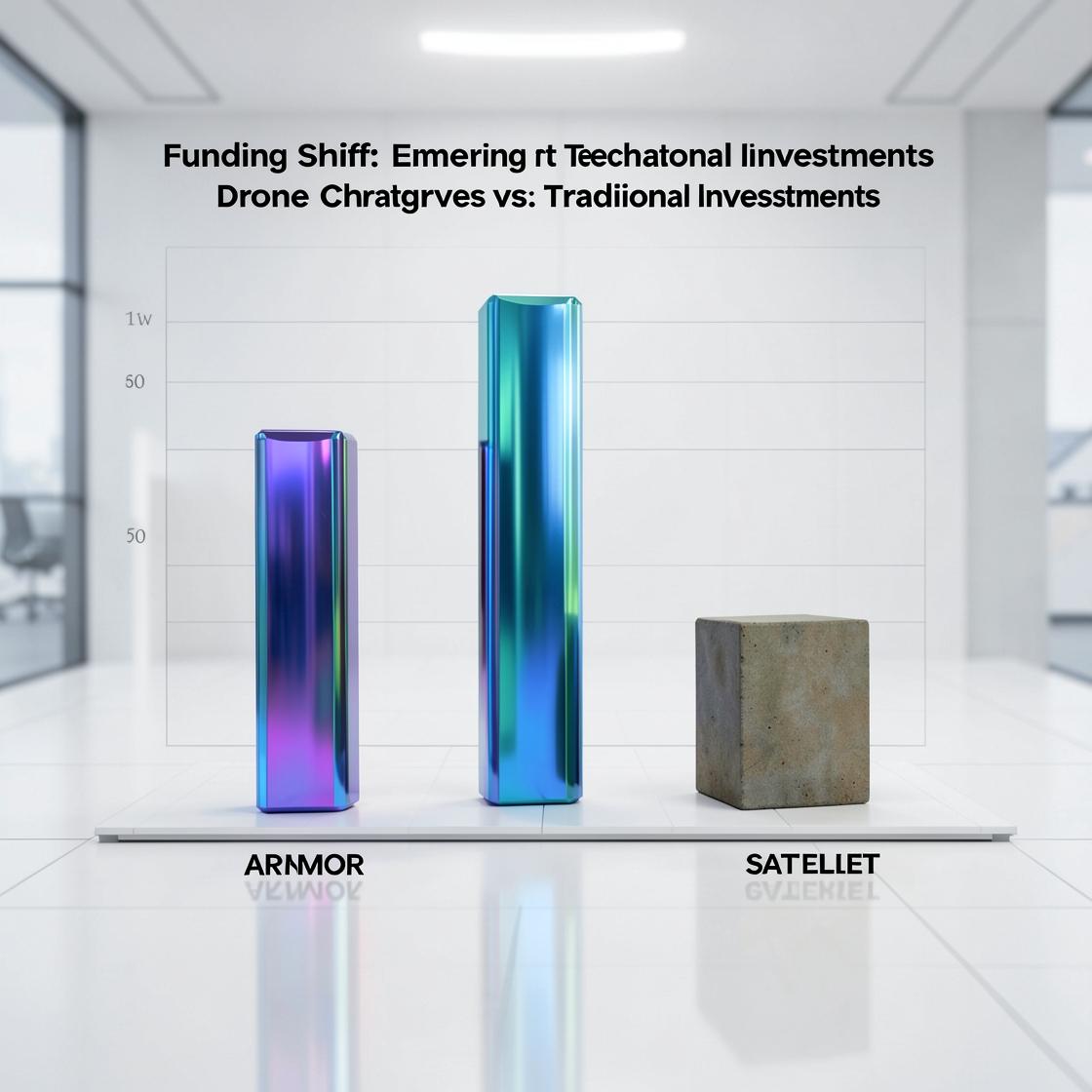
A recent BBC analysis highlights a shift in the character of modern conflict. Traditional platforms such as heavy armour and large surface fleets appear to be losing relevance, while drones, cyber‑capabilities, space assets and emerging technologies are gaining prominence. The article points to lessons from the wars in Ukraine and the Gulf, where these new domains have played decisive roles.
UK defence investment plan deemed insufficient
“The defence investment plan is well short of what is required,” John Healey, former Secretary of State for Defence, told the BBC.
Healey’s comment underscores concerns that current spending levels may not match the evolving threat landscape. No specific budget figures were cited in the source material, but the statement signals a gap between policy targets and available resources.
Implications for policymakers and investors
Strategic realignment: The Ministry of Defence may need to re‑prioritise funding toward autonomous systems, electronic warfare and satellite‑based surveillance.
Industry response: Defence contractors are likely to accelerate research and development in unmanned aerial vehicles (UAVs), artificial‑intelligence driven cyber tools, and space‑based communications to meet perceived demand.
Investment risk: Private‑equity and infrastructure funds that traditionally back shipbuilding and armour projects could face re‑allocation risk if the government redirects capital toward high‑tech capabilities.
Outlook
The BBC piece does not provide quantitative forecasts, but the qualitative assessment suggests a policy‑driven market shift. Stakeholders are advised to monitor upcoming defence white papers and the Ministry’s annual budget statements for any re‑calibration of spending.
Key takeaway: As the nature of warfare evolves, the United Kingdom’s current defence investment plan is viewed by senior officials as insufficient for emerging security challenges, prompting a potential re‑focus on technology‑centric capabilities.