A reported $1.3 billion private-credit loan for an artificial-intelligence data center is tempting to read as a vote on AI demand. It is more useful to read it as a map of the risks that conventional project finance did not absorb.
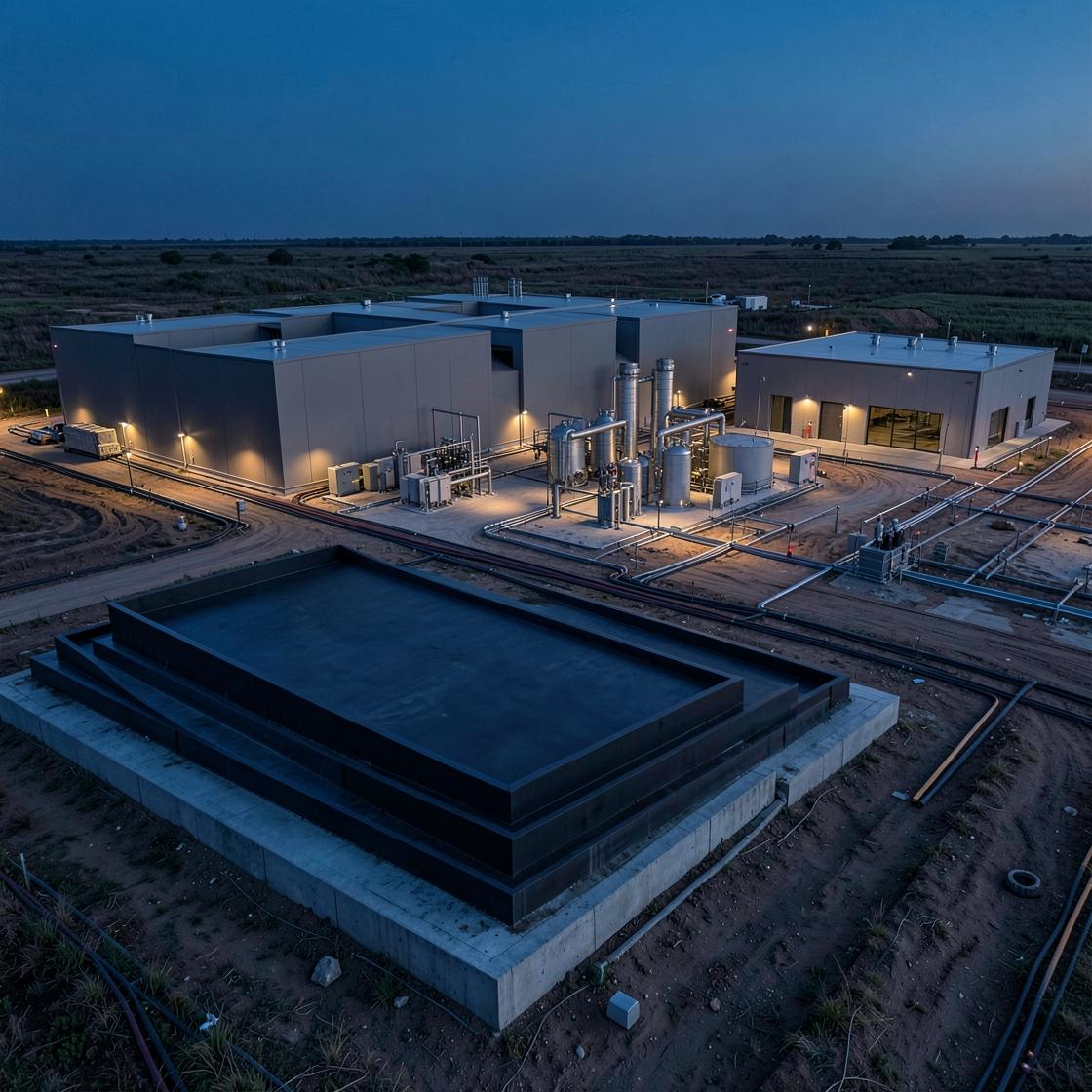
Eagle Point Credit Management's announcement says it led a new HoldCo loan to a subsidiary of Nexus Data Centers. The money completed the capital structure for the first phase of a multi-phase data-center and behind-the-meter power campus in Hubbard, Texas, allowing Nexus to reach final investment decision, or FID. Eagle Point did not disclose the loan amount, price, maturity or security package in that release.
The approximately $1.3 billion figure comes from market reporting. Bloomberg Law reported, citing a person familiar with the project, that the loan forms part of a wider $16 billion project-finance package for a 2,900-acre campus tied to Anthropic. The Next Web also reported the financing and Anthropic connection. Those details matter, but they do not have the same evidentiary status as the borrower's and lender's public confirmation of the HoldCo financing and FID.
The new money sits above the project assets
“HoldCo” is the most revealing word in the announcement. A holding-company borrower generally relies on value and cash moving up from subsidiaries, while operating and project-company obligations are paid closer to the assets. That can leave HoldCo creditors structurally behind lenders with direct claims at the project level. The actual priority could differ if guarantees, collateral or intercreditor agreements change the waterfall, and none of those documents is public here.
That distinction explains why a large loan can coexist with a much larger project-finance package. The reported $1.3 billion should not be treated as though it were interchangeable with every senior construction dollar. It may fill a higher-risk layer between sponsor equity and asset-level debt. A higher position in the corporate structure can command a higher return, but it also depends more heavily on the project producing surplus cash after obligations below it are met. This is an inference from the disclosed structure, not a description of undisclosed contractual rights.
There is a credible counterargument. Eagle Point says it directly originated the loan, has supported Nexus across four financings and helped advance the campus from pre-notice-to-proceed development to FID in less than a year. A private lender committing at this scale normally performs detailed diligence unavailable to public investors. The transaction therefore signals more than promotional interest. It still does not show the assumptions that made the credit acceptable.
Final investment decision starts the construction clock
FID means the capital structure and development plan were sufficient for the sponsor to commit to the first phase. It does not mean the facility is complete, commissioned or generating contracted cash. Eagle Point's wording is precise: the project “continues its construction.” From here, the risk migrates from assembling finance toward procurement, schedule, cost control, power readiness and customer acceptance.
The reported Anthropic role could improve revenue visibility if it is backed by a long contract and strong guarantees. Yet the public announcement names neither Anthropic nor any tenant, and reporting has not disclosed lease duration, commencement conditions, capacity commitments or termination rights. Calling the campus “Anthropic-tied” is therefore a reported relationship, not enough evidence to calculate contracted cash flow.
That separation matters for investors exposed to private credit, infrastructure funds or AI suppliers. A missed commissioning date can delay rent while interest continues to accrue. Cost overruns can require more sponsor capital, additional debt or a smaller completion scope. Conversely, on-time delivery into a firm take-or-pay contract would materially reduce the uncertainty that exists at FID.
Dedicated power trades one bottleneck for three operating risks
Nexus describes the site as a behind-the-meter power-generation campus. Bloomberg's report says it will include its own gas-fired plant. Dedicated generation may reduce dependence on waiting for the full amount of grid-supplied power, an important advantage in a congested development market. But it does not make power risk disappear. It converts part of that exposure into fuel procurement, plant availability and environmental or permitting risk.
The scale of the Texas queue shows why developers value alternatives. In June, ERCOT said it was tracking more than 438,000 megawatts of large-load requests, nearly 89% from data centers. That is a queue of requests, not a forecast that all of the demand will be built or served. It does show intense competition for studies, transmission and credible energization schedules.
Behind-the-meter generation can improve control over timing, but investors still need to know who supplies gas, who operates the plant, what redundancy exists and whether the tenant or project bears fuel-price changes. The data center and power plant also create linked commissioning paths: compute capacity has limited value without dependable electricity, while dedicated generation needs a paying load.
The missing documents decide the return
The financing milestone narrows one uncertainty: Nexus says its first phase has a complete capital structure and has reached FID. The remaining investment case depends on documents that public reporting has not exposed. The decisive evidence would include the HoldCo loan's yield, maturity, covenants, collateral and payment restrictions; the priority of other project debt; sponsor-equity commitments; construction guarantees; tenant credit support; and the power plant's fuel and operating contracts.
Evidence of completed milestones, an operating power system and a binding long-duration tenant commitment would strengthen the analysis. Delays, revised capacity, more senior borrowing or weak guarantees would weaken it. Until those facts emerge, the $1.3 billion figure is best understood as the price of closing a particular capital gap—not proof that the much larger Texas project has already crossed the finish line.