
Key Developments
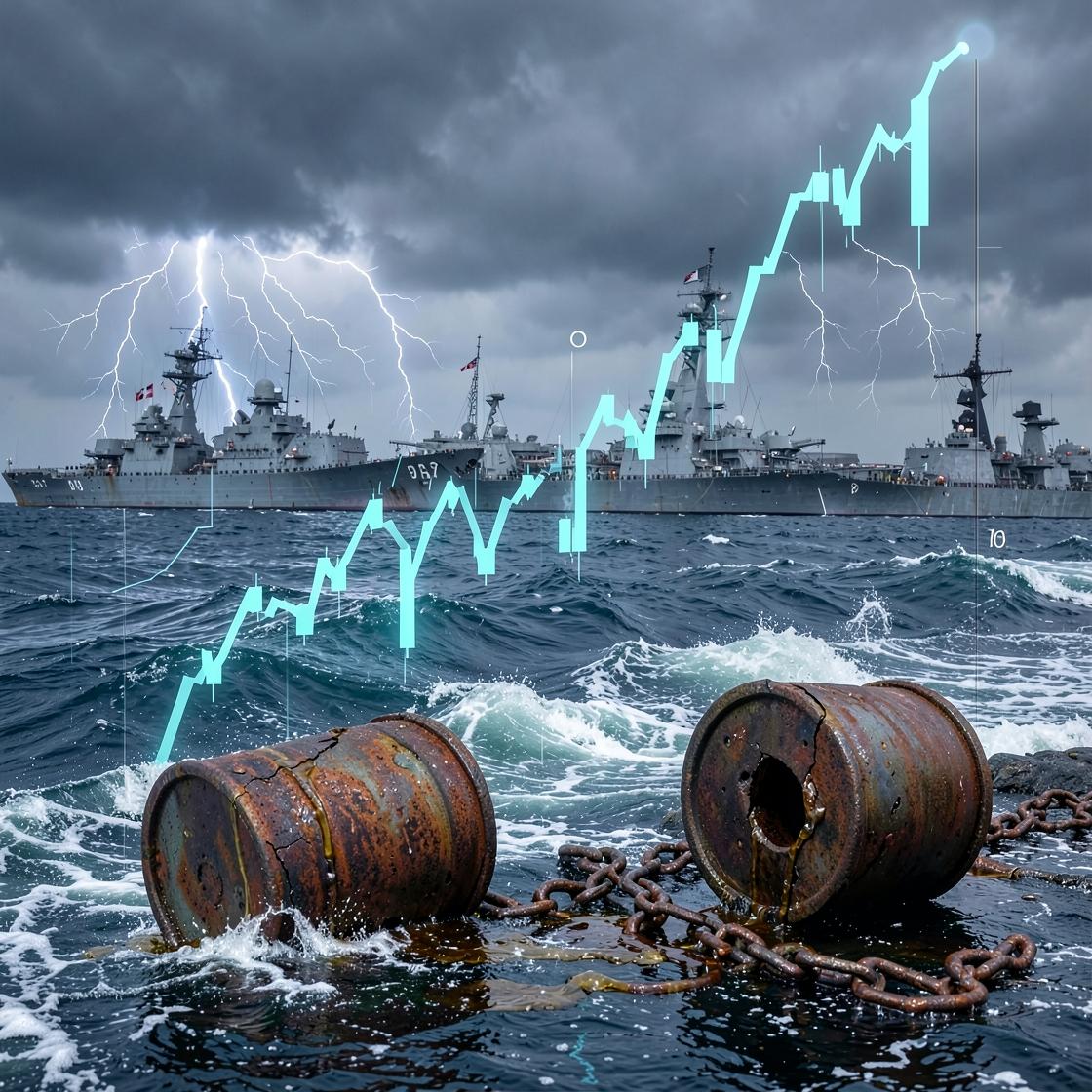
Iran’s president and the head of the Central Bank reported to Supreme Leader Ayatollah Mojtaba Khamenei that the country’s economy is “on the ropes” because of the U.S. naval blockade, according to a report published by Yahoo Entertainment on July 10, 2026.
The briefing came as the United States, under President Donald Trump, signals interest in re‑imposing a naval blockade that would intensify the existing sanctions regime.
Officials highlighted that both Tehran and Washington face pressing domestic pressures: the upcoming U.S. midterm elections and Iran’s own economic and political fragilities.
Market Implications
“Both sides need a deal soon given domestic vulnerabilities.”
The admission of severe economic strain in Iran could have several near‑term effects on global markets, though the following points remain analytical rather than reported facts:
Oil Prices: A tighter naval blockade is likely to constrain Iranian oil exports, which have already been curtailed by sanctions. Reduced supply from Iran may reinforce upward pressure on Brent and WTI crude, especially if alternative supply does not fill the gap quickly.
Regional Energy Trade: Countries that rely on Iranian petrochemical products may seek alternative sources, potentially shifting trade flows toward the Gulf Cooperation Council (GCC) members.
Currency Markets: Continued economic stress could further weaken the Iranian rial, prompting speculation on capital flight and heightened demand for foreign currency hedges in the region.
Sanctions‑Sensitive Sectors: Firms operating in sectors vulnerable to U.S. secondary sanctions (e.g., shipping, logistics, and banking) may reassess exposure to Iranian counterparties, leading to tighter credit conditions and compliance costs.
Outlook
Political Timeline: With U.S. midterm elections slated for November 2026, U.S. policymakers may seek a diplomatic resolution to avoid additional market volatility.
Iranian Domestic Pressures: The reported “on the ropes” assessment underscores internal fiscal challenges, including inflationary pressures and reduced foreign exchange earnings. Tehran’s willingness to negotiate could be influenced by the need to stabilize public finances ahead of upcoming legislative cycles.
Source: Yahoo Entertainment, “Top Iranian officials admitted to the supreme leader that the U.S. naval blockade was crushing the economy, report says, as Trump eyes reimposing it”, published 2026‑07‑10 16:20 UTC.