
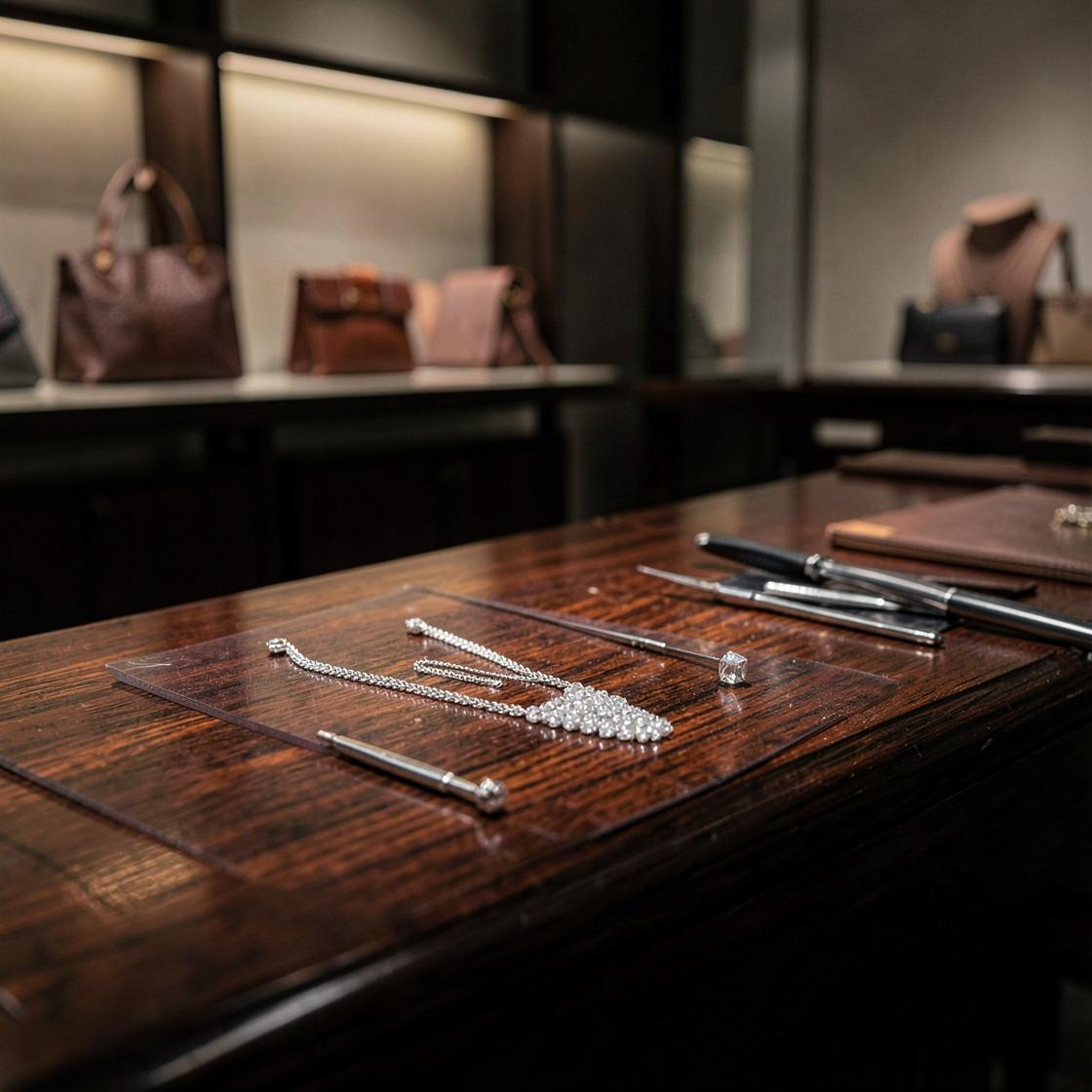
Tiffany & Co. has become one of the clearest bright spots in LVMH's first-half results. The group's official release described an excellent performance at the U.S. jeweler, highlighted the Knot and HardWear lines, and linked momentum to continued store renovation. That evidence supports the direction of a Business Insider report calling Tiffany a crown jewel.
The financial conclusion needs a narrower frame. LVMH does not publish Tiffany's standalone revenue, profit or return on invested capital. It reports Watches and Jewelry as one division containing Tiffany, Bvlgari, TAG Heuer, Chaumet and other maisons. The available numbers show that jewelry is improving the portfolio and cushioning weaker fashion economics. They do not yet show that Tiffany has become LVMH's main earnings engine or independently earned back the economics of its acquisition.
Jewelry growth is visible; Tiffany's standalone return is not
LVMH's first-half release gives the segment evidence. Watches and Jewelry generated €5.23 billion of reported revenue in the first half of 2026, up 3% from a year earlier. On the company's organic measure, which removes currency and perimeter effects, growth was 9% for the half and accelerated from 7% in the first quarter to 11% in the second.
Management named Tiffany and Bvlgari together. Tiffany's iconic lines and renovated stores performed well; Bvlgari also achieved strong growth and reported record revenue for its Eclettica collection. Reuters reported that both brands grew in the mid-teens. That corroborates strong brand momentum, but it also prevents investors from assigning all of the division's acceleration to Tiffany.
The currency distinction matters. Organic growth of 9% and reported growth of 3% answer different questions. The first describes underlying commercial momentum at constant exchange rates and scope. The second is closer to what enters the euro accounts. A stronger operational trend can therefore coexist with a much smaller reported revenue increase.
Segment profit confirms contribution, not dominance
Watches and Jewelry's recurring operating profit rose 9% to €831 million. Dividing that figure by segment revenue gives a first-half margin of roughly 15.9%, slightly above the comparable period. This is tangible earnings progress rather than a sales-only story.
Scale changes the interpretation. The division represented about 13.5% of group revenue and 9.6% of recurring operating profit in the half. Fashion and Leather Goods, despite a 7% decline in recurring operating profit, still contributed €6.20 billion — more than seven times the jewelry division's amount. Group recurring operating profit fell 4% to €8.69 billion, while the group margin was 22.5%.
Jewelry therefore improves LVMH's earnings mix when its largest segment is under pressure. It does not replace that segment. The diversification value is economically relevant: an expanding business can absorb part of a contraction elsewhere. Yet the group result also shows the limit. Strong jewelry and selective retail growth did not prevent total recurring operating profit from declining.
This distinction is useful for valuation. A faster-growing division can merit more attention without being large enough to set the whole group's profit trajectory. The more defensible claim is that Tiffany helps broaden LVMH's sources of growth and margin, not that one brand now determines group earnings.
A category tailwind raises the execution bar
Tiffany's performance arrives during a broader shift toward hard luxury. A Reuters sector analysis noted that Richemont's jewelry maisons grew 24% in the quarter to June and that Kering's newer jewelry division had reported 22% comparable growth in the first quarter. Those periods and company definitions are not perfectly comparable with LVMH, but the direction suggests that category demand is doing part of the work.
Jewelry can behave differently from handbags and ready-to-wear. Iconic designs have longer product cycles, high-value pieces can appeal to accumulated wealth, and precious materials add a tangible component. On the other hand, stores require capital, inventory ties up cash, high-ticket demand is concentrated among affluent customers, and rising material costs do not automatically translate into higher margins.
That creates a demanding benchmark for Tiffany. Growing with the category is positive; gaining share, improving store productivity and converting growth into cash would demonstrate brand-specific execution. The counterargument is that LVMH's disclosure may understate a durable Tiffany turnaround because the brand is embedded in a multi-maison segment. That is possible, but it remains an inference rather than a reported result.
Store productivity would turn brand praise into evidence
The next decisive evidence is operational. Comparable sales for renovated versus mature Tiffany stores, sales per square metre, inventory growth, cash conversion and a brand-level margin bridge would reveal whether the retail program is producing attractive incremental returns. Geographic detail would also show whether growth is broad or depends heavily on U.S. wealth effects.
Segment results already establish that the jewelry strategy is contributing. They also impose discipline on the crown-jewel narrative. Tiffany is part of LVMH's fastest-growing division, and division profit is rising. Fashion and Leather Goods still supplies most of the group's operating profit, while Tiffany's standalone economics remain undisclosed.
The conclusion would strengthen if LVMH reported sustained share gains and higher productivity at renovated Tiffany stores without a disproportionate build in inventory or capital. It would weaken if jewelry growth slowed with the category or failed to lift cash returns. Until those data arrive, Tiffany is best viewed as a valuable source of portfolio resilience — important to LVMH's mix, but not yet proven as its new financial centre of gravity.