The digital yuan's new banks expand the rail, not the traffic
Eight more banks widen the digital yuan's regulated distribution capacity, but activation and sustained usage—not operator count—will test adoption.
Expert insights to improve your financial decisions
Eight more banks widen the digital yuan's regulated distribution capacity, but activation and sustained usage—not operator count—will test adoption.
China is widening uses of its housing provident fund, but the economic impulse depends on new withdrawals, loans and transactions—not the existing balance.
The U.S. has processed about $100 billion of tariff refunds, but legal payees, accounting timing and contracts decide where the benefit lands.
Foreign equity buying has returned to India, but mixed debt flows, global sensitivity and a short sample leave the structural case unproven.
Lebanon's forecast contraction runs through tourism and consumption, while damaged banks and unresolved debt slow the financing of reconstruction.
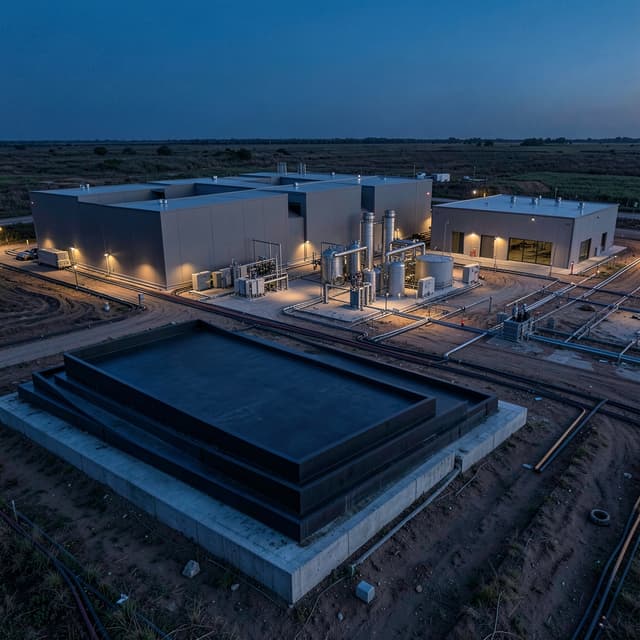
A HoldCo loan moved Nexus's Texas campus to final investment decision, but construction, power and tenant terms still determine the economics.
Passwords were not stolen, but income, household and tax-message context can make later scams more persuasive. The financial risk sits in the next interaction.
Regulation Crypto Assets proposes tailored fundraising routes and a safe harbor. It still cannot replace a statute that allocates the wider SEC-CFTC market perimeter.
Less forward guidance does not eliminate policy signals. It shifts weight toward votes, minutes, data and individual officials, changing when markets must reprice.
Samsung can return 90-110 trillion won in 2026, but the range is still conditional and the mix of dividends, cancellations and employee shares will determine per-share value.