
Summary
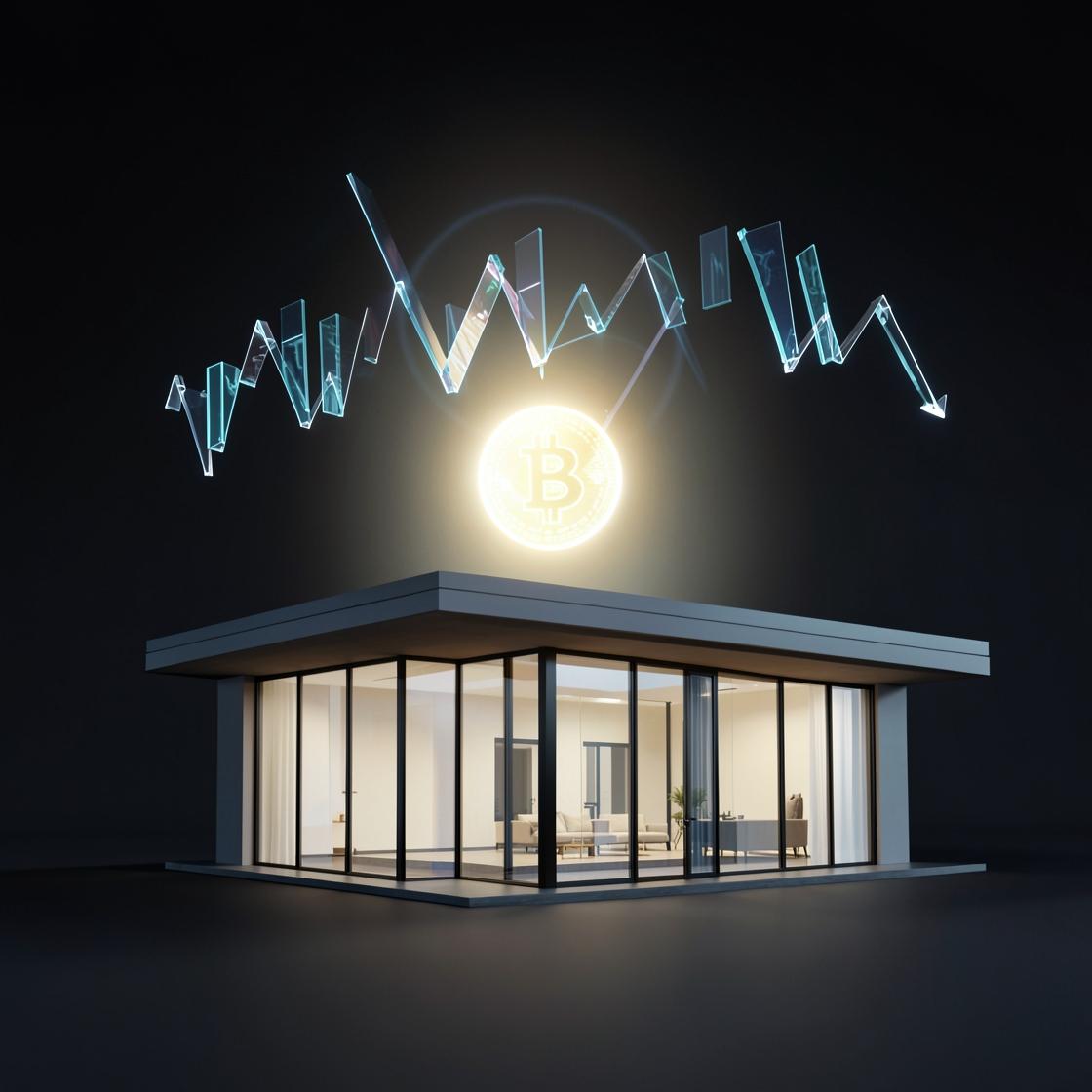
Gizmodo’s July 15, 2026 article titled “Fidelity: Actually, Homes Are Getting Cheaper (as Long as You Price Them in Bitcoin)” reports a provocative stance from Fidelity Digital Assets. The firm argues that the perceived housing‑affordability crunch is not a shortage of homes but a “fiat currency crisis.” According to Fidelity, buyers who price properties in Bitcoin would find homes “cheaper” than when using traditional dollars.
Fidelity’s Position
The commentary originates from a Fidelity Digital Assets post dated July 6, 2026.
It challenges conventional narratives that Americans are priced out of real‑estate markets, instead suggesting the issue lies in the purchasing power of fiat money.
By pricing homes in Bitcoin, Fidelity claims the nominal price drops, ostensibly making homes more accessible.
“There’s no affordability crisis. There’s just a fiat currency crisis, man.”
“Are you priced out of the housing market? No, you’re not, you idiot. You just aren’t using the right kind of money.”
Market Implications (Analyst View)
Currency Choice: If a seller lists a property in Bitcoin, the listed price in BTC may appear lower than the equivalent USD figure, but the effective cost to the buyer depends on Bitcoin’s market price at settlement.
Volatility Consideration: Bitcoin’s price can fluctuate significantly day‑to‑day, which could offset any nominal “cheaper” price and introduce settlement risk for both buyers and sellers.
Regulatory Landscape: Existing real‑estate financing and mortgage frameworks are built around fiat currencies; a shift to crypto pricing would likely require new legal and compliance structures.
Investor Perspective: For investors with Bitcoin exposure, purchasing property in BTC could hedge against fiat inflation, yet the strategy remains niche and contingent on market acceptance.
Source Attribution
Original article: Gizmodo, “Fidelity: Actually, Homes Are Getting Cheaper (as Long as You Price Them in Bitcoin),” published 2026‑07‑15 09:00 UTC.
Underlying Fidelity Digital Assets commentary posted July 6, 2026.
The information presented reflects Fidelity’s viewpoint as reported by Gizmodo and does not constitute a market endorsement or financial advice.