
Overview
The Mental Floss feature “5 Weird Currencies Once Used Around the World” (published June 25 2026) reminds readers that the modern notion of money — paper notes and metal coins issued by governments — has deep historical roots in far more varied objects.
“We’re taught from a young age that money is whatever the government prints on paper or mints in metal. But if you take a peek at the past, you’ll find that currency is actually a much more flexible concept… From dog teeth and snail shells to tea bricks and salt bars, these strange currencies show just how creative humans have been when it comes to money.” – Mental Floss, 2026‑06‑25
Historical examples highlighted
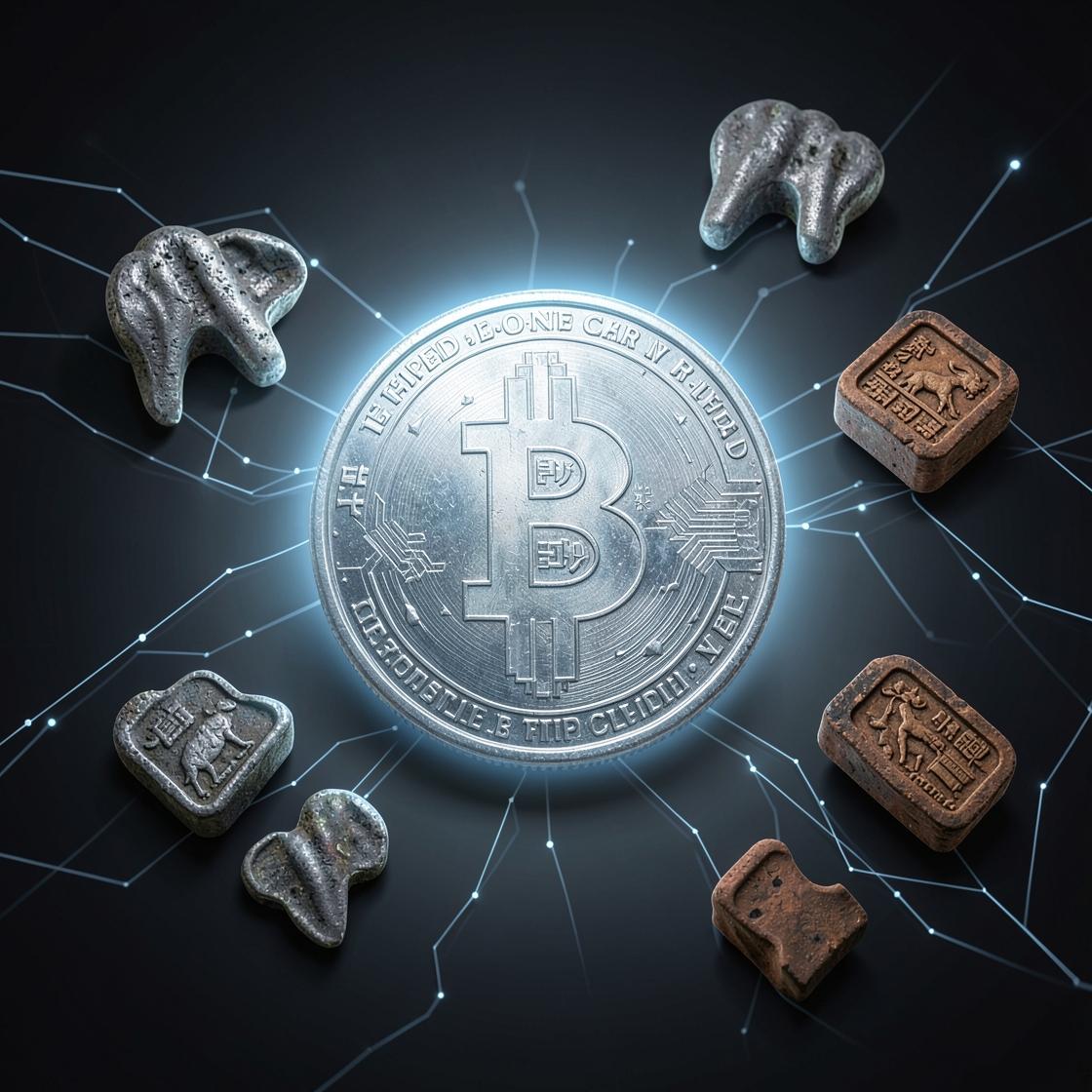
Dog teeth – used as a medium of exchange in certain tribal societies.
Snail shells – served as a low‑value token in isolated economies.
Tea bricks – compacted tea leaves that functioned as both commodity and currency in parts of East Asia.
Salt bars – solid salt formed into ingots, famously used in ancient trade routes.
The article’s title implies a fifth example, but the excerpt provided does not specify it.
Implications for Investors
Analysis:
The diversity of historical monies underscores a fundamental principle: value is anchored in widely accepted utility, not merely in legal tender status.
Modern investors can draw a parallel with emerging digital assets (e.g., cryptocurrencies), where acceptance and network effects drive perceived value.
Recognizing that “money” has been adaptable suggests that future payment innovations may arise from unconventional assets, provided they meet criteria of durability, divisibility, and recognizability.
“The creative use of everyday items as money illustrates that the essence of a currency is mutual trust and functionality, not its physical form.” – Analyst note
Takeaway
While today’s markets are dominated by fiat currencies and digital payments, the historical record — illustrated by dog teeth, snail shells, tea bricks, and salt bars — reminds investors that the definition of money evolves with societal needs and technological advances. Understanding this fluidity can inform assessments of novel asset classes that challenge traditional monetary conventions.
Source: Mental Floss, “5 Weird Currencies Once Used Around the World,” June 25 2026.